Every successful business starts with a vision, but a vision without clear goals is just a dream. To turn that vision into reality, you need a structured framework that keeps you focused and accountable. That’s where SMART goals come in.
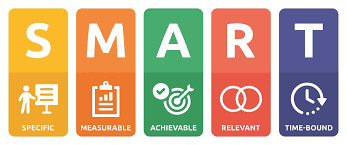
SMART is an acronym for Specific, Measurable, Achievable, Relevant, and Time-bound. By applying this framework, entrepreneurs can set objectives that are clear, realistic, and trackable. Let’s break down how to create SMART goals that drive your business forward.
1. Specific – Define Exactly What You Want to Achieve
A vague goal like “I want more customers” doesn’t provide direction. Instead, get precise:
Example: “Increase customer sign-ups for our subscription service by 25%.”
Specific goals answer the what, why, and how. They should leave no room for confusion about what success looks like.
2. Measurable – Track Your Progress
If you can’t measure it, you can’t manage it. A measurable goal includes numbers or milestones that make progress tangible.
Example: “Generate 500 new leads through social media campaigns in three months.”
Having measurable targets allows you to celebrate small wins and adjust strategies when needed.
3. Achievable – Set Realistic Expectations
Ambition is great, but setting unrealistic goals can demotivate your team. Ask yourself: Do we have the resources, skills, and budget to hit this target?
Example: “Increase monthly sales by 10% within the next quarter.”
An achievable goal stretches your limits without setting you up for failure.
4. Relevant – Align Goals with Business Priorities
Every goal should tie back to your broader vision and mission. Irrelevant goals waste time and resources.
Example: If your company’s mission is to improve digital access for small businesses, a relevant goal could be: “Launch an affordable e-commerce package tailored for SMEs by Q2.”
Enjoying this article? Share it with your network!
Relevant goals ensure that every effort pushes your business toward long-term growth.
5. Time-bound – Set a Deadline
Without deadlines, goals tend to drift. A clear timeline creates urgency and accountability.
Example: “Launch a new mobile app feature by December 15, 2025.”
Time-bound goals keep momentum alive and ensure consistent progress.
Putting It All Together
Here’s how a SMART goal looks when fully structured:
“Increase online sales by 15% within six months by running targeted Facebook ads and email campaigns, ensuring alignment with our digital growth strategy.”
Notice how it checks every SMART box:
- Specific: Increase online sales.
- Measurable: 15% growth.
- Achievable: With ads and email campaigns.
- Relevant: Tied to digital growth strategy.
- Time-bound: Six months.
SMART goals aren’t just a business buzzword they’re a proven framework for achieving measurable success. By setting Specific, Measurable, Achievable, Relevant, and Time-bound objectives, you create a roadmap that keeps your business focused and resilient, no matter the challenges ahead.
Start small, refine as you grow, and remember: clarity plus accountability equals results.