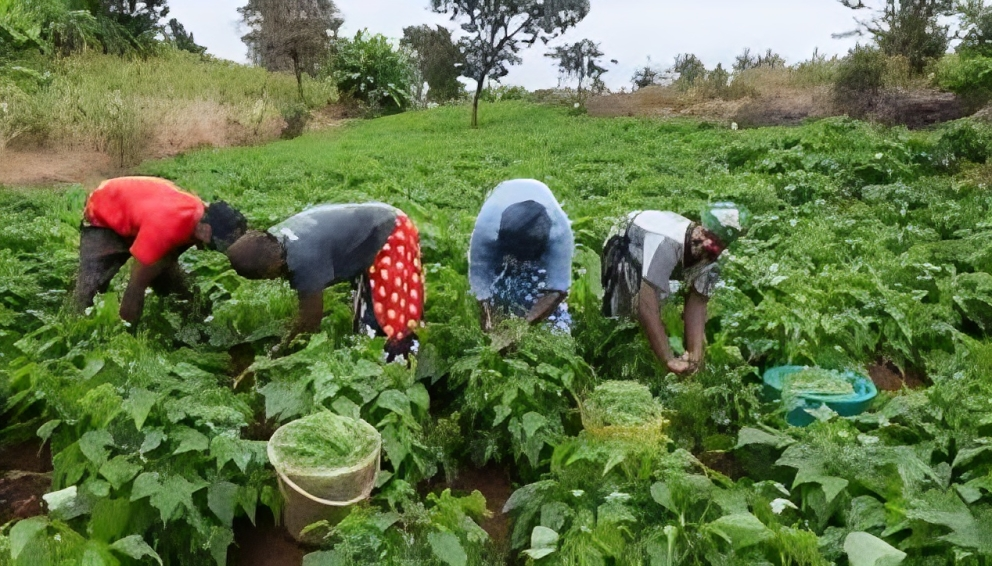
Over 1.47 million smallholder farmers across Nigeria are now beneficiaries of agricultural insurance schemes — a transformative milestone expected to enhance productivity, resilience, and risk management within the nation’s agricultural landscape. The National Insurance Commission (NAICOM) revealed this progress during a stakeholders’ retreat in Maiduguri, emphasizing the strides made in de-risking agriculture and empowering small-scale producers nationwide.
The insurance coverage, executed through the Nigeria Incentive-Based Risk Sharing System for Agricultural Lending (NIRSAL), has already begun yielding tangible benefits in farming communities across the country. According to NAICOM, the figure is projected to soar to 3.6 million by 2026 as government and private-sector initiatives expand agricultural risk protection programmes.
Notably, in the second quarter of 2025 alone, more than 250,000 farmers received insurance coverage across eight states under various federal agricultural programmes. Data indicates that insured rice farmers in North Central Nigeria recorded an 11 per cent increase in yields, harvesting an average of 20 bags per hectare compared to 18 bags by their uninsured counterparts — a strong testament to the programme’s effectiveness.
NAICOM also shared examples of how agricultural insurance has shielded farmers from devastating losses. Under the National Agricultural Growth Scheme and the Agro-Pocket Programme, compensation was provided to ginger farmers in Kaduna who lost up to 90 per cent of their crops. Likewise, livestock insurance programmes in Sokoto, Bauchi, Adamawa, and Plateau states have significantly reduced farmer-herder conflicts and enhanced rural stability by mitigating financial losses.
Enjoying this article? Share it with your network!
The commission reiterated that strengthening agricultural insurance remains central to unlocking Nigeria’s food security potential and stimulating private investment in the agricultural value chain. Insurance, it noted, provides a crucial safety net for smallholder farmers — the backbone of Nigeria’s agricultural economy — protecting them from climate risks, pest outbreaks, and market fluctuations, while enabling reinvestment and business growth.
NAICOM further called for enhanced collaboration among policymakers, insurers, and agricultural stakeholders to ensure the successful implementation of the National Insurance Industry Reform Agenda (NIIRA) 2025. The newly enacted legislation, signed into law in August, harmonises previously fragmented insurance frameworks into a robust modern system designed to empower regulators, safeguard consumers, and spur innovation across the industry.
For Nigeria’s small businesses and rural entrepreneurs, the scaling up of agricultural insurance marks a pivotal step toward building a more resilient and sustainable food system. With greater risk protection, farmers can now access credit with confidence, invest in improved inputs, and play a stronger role in advancing national food security and economic growth.