Lafarge Africa Plc has unveiled the 2025 edition of its flagship women-focused empowerment programme, BuildHer, designed to provide women in underserved communities with technical expertise and entrepreneurial skills to thrive in the construction industry.
The initiative, branded BuildHer by Lafarge, focuses on equipping women with practical knowledge in tiling and block laying—fields often dominated by men—through an intensive eight-week hands-on training. This year’s participants, drawn from Lagos, Ogun, and Cross River States, will not only work with Lafarge’s proprietary Supafix and SupaSet products but also gain access to structured business development workshops, financial literacy coaching, and mentorship opportunities to help them launch and sustain small-scale construction enterprises.
Lafarge emphasized that the programme reflects its broader mission of promoting gender inclusion while strengthening women’s financial independence. Since its inception in 2022, BuildHer has trained more than 60 women, many of whom are already earning income, supporting their families, and running their own businesses. The 2025 edition—described as the most ambitious yet—will expand its reach to 100 women across three states.
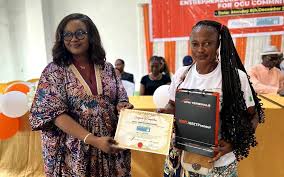
Upon completion, graduates will earn certificates jointly endorsed by Lafarge and accredited technical institutions, while also gaining entry into the Block Makers and Tilers Association of Nigeria. This formal recognition not only boosts credibility but also secures job opportunities. In addition, each participant will receive starter toolkits to kick off their businesses, with the top ten performers earning enhanced support packages.
Enjoying this article? Share it with your network!
To sustain momentum, Lafarge will roll out a BuildHer Alumni Network, designed to foster mentorship, collaborations, and visibility for participants. A Train the Trainers module will further strengthen the programme by empowering past beneficiaries to pass their expertise on to others, creating a ripple effect across communities.
Delivery of the 2025 programme is backed by strong state-level partnerships. In Lagos, the Ministry of Youth and Social Development and the Lagos State Employment Trust Fund are key collaborators; in Ogun, support comes from the Ministry of Women Affairs and Social Development; while in Cross River, the programme is being executed with the Ministry of Women Affairs.
Recognizing the challenges women aged 20–45 face in low-income areas, Lafarge has integrated crucial support structures—transportation, feeding allowances, and crèche services for nursing mothers—ensuring no woman is excluded due to social barriers.
Beyond skill acquisition, the programme promises wider economic benefits. By providing women with practical construction knowledge and entrepreneurial capacity, BuildHer is not only empowering individuals but also creating pathways for new micro and small enterprises, strengthening local economies, and expanding Nigeria’s skilled labour pool. In doing so, it reinforces inclusive growth within one of the nation’s most vital industries: construction and housing development.