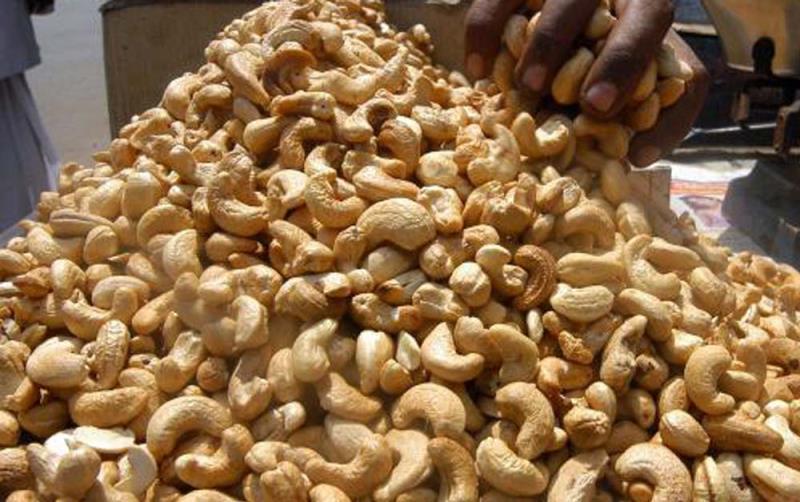
Nigeria’s cashew farmers have rejected proposals to restrict the export of raw cashew nuts, arguing that such a move could hurt smallholder farmers and disrupt an already fragile value chain.
The position was presented by the National Cashew Association of Nigeria following a meeting of its leadership and Board of Trustees. The association maintained that export restrictions would limit farmers’ access to competitive international markets, ultimately reducing earnings in a sector dominated by small-scale producers.
According to the group, most cashew farmers cultivate less than one hectare of land and are already facing rising production and logistics costs. They warned that reducing export opportunities would weaken incentives for production and further strain rural incomes.
Industry stakeholders also referenced past market disruptions, noting that the sharp fall in cashew prices in 2017 forced many farmers to cut down trees, leading to a significant drop in production before gradual recovery efforts.
Nigeria’s cashew output, once estimated at about 700,000 metric tons annually, has declined to between 350,000 and 400,000 metric tons. In contrast, Côte d’Ivoire has expanded production to over one million metric tons, strengthening its dominance in the global cashew market.
Enjoying this article? Share it with your network!
Stakeholders argued that restricting exports will not automatically increase local processing capacity, as processors continue to face major structural challenges. These include high energy costs, weak storage systems, and limited access to affordable financing.
They also noted that cashew processing requires year-round operations, while harvesting takes place within a short seasonal window of about three to four months. This creates a financing burden for processors who must store raw materials for long periods while servicing loans with interest rates that can reach 25 to 35 percent.
The association stressed that without targeted support in financing, infrastructure development, and energy supply, policies aimed at forcing local processing could backfire. They warned that such measures may reduce production incentives and further weaken the overall value chain.
Instead, farmers are calling for reforms that improve access to credit, lower production costs, and create a more enabling environment for both producers and processors in the cashew industry.
Disclaimer
Information provided by Edfrica is for awareness purposes only and does not constitute a guarantee or endorsement.