Nigeria’s livestock sector is entering a new growth phase as government agencies, investors, and development partners intensify efforts to unlock its commercial potential. A recent high-level forum in Abuja under the African Union Inter-African Bureau for Animal Resources brought key stakeholders together to explore investment opportunities and strengthen market systems across the value chain.
The discussions centered on repositioning the sector for competitiveness through private sector-led investment, improved infrastructure, and stronger coordination between producers and buyers. Stakeholders believe the industry could expand by as much as $3 billion within the next three to five years if key reforms are implemented effectively.
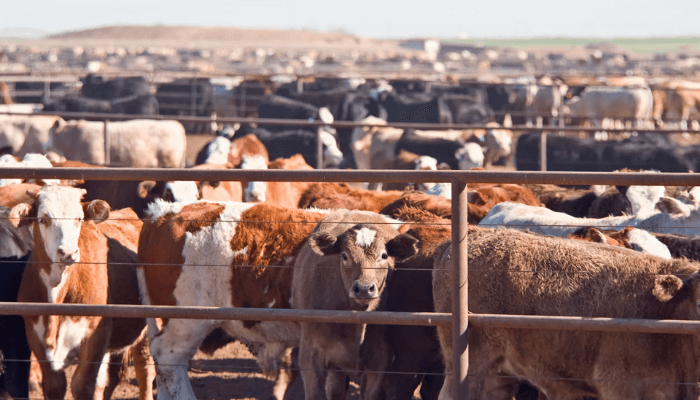
Nigeria currently holds one of the largest livestock populations in Africa, with about 54 million cattle and over 250 million poultry birds. The sector supports roughly 75 million livelihoods and contributes around 5 percent to national GDP, valued at approximately $32 billion. However, despite its size, the country still imports nearly 60 percent of its dairy products, reflecting deep productivity gaps.
Industry players highlighted major constraints including low milk yields compared to global benchmarks, high feed costs that account for up to 70 percent of production expenses, and weak infrastructure across processing and distribution systems. Many licensed abattoirs are also operating below capacity due to unreliable power supply, high operating costs, and limited access to financing.
Another concern raised was the dominance of informal slaughter systems, which continue to undermine formal operators and discourage investment in modern facilities. Stakeholders stressed that addressing these inefficiencies is critical to building a more structured and profitable livestock economy.
Enjoying this article? Share it with your network!
Government representatives pointed to ongoing reforms such as the National Livestock Master Plan and World Bank-supported livestock productivity programmes as part of broader efforts to improve output and attract investment. The long-term target is to grow the sector into a $74 billion to $90 billion industry by 2035.
Despite these initiatives, stakeholders agreed that public sector action alone will not be enough. Increased private investment in feed production, logistics, processing, and market infrastructure was identified as essential for sustainable transformation.
The forum is expected to lead to new partnerships, financing commitments, and policy adjustments aimed at strengthening Nigeria’s livestock value chain and improving overall market efficiency.
Disclaimer
Information provided by Edfrica is for awareness purposes only and does not constitute a guarantee or endorsement.