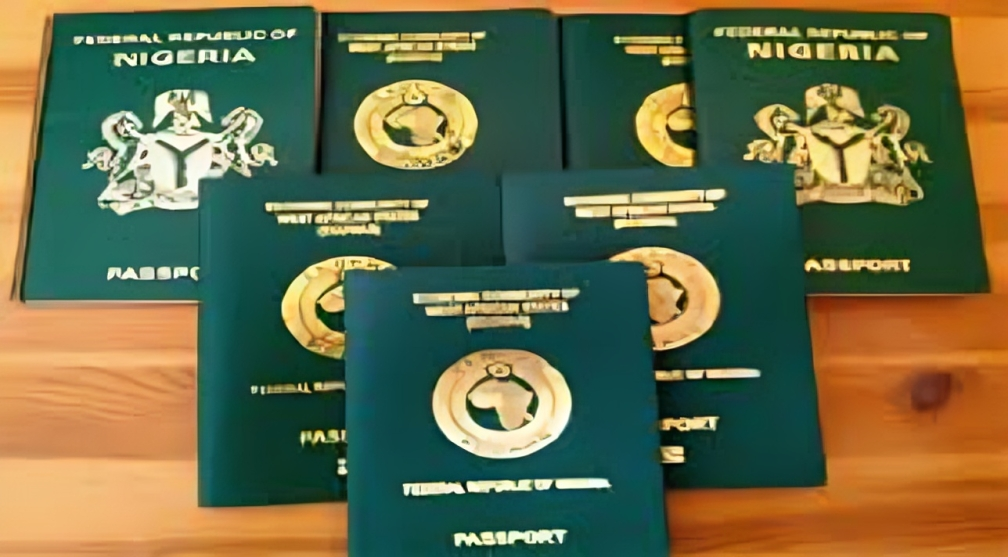
In a sweeping reform of its passport issuance system, the Federal Government has rolled out a centralised passport personalisation process that will enable the Nigeria Immigration Service (NIS) to produce and deliver passports within 24 hours of approval, boosting daily output to 5,000.
The innovation, launched at the NIS headquarters in Abuja, signals the end of Nigeria’s decades-old decentralised framework, which previously relied on nearly 100 passport production centres across the country and abroad. By consolidating operations into a single hub, authorities say the new system will deliver faster service, ensure consistent quality, and enhance the integrity of Nigeria’s international travel documents.
While the personalisation stage now takes just one day, officials clarified that applicants should expect delivery within roughly a week, accounting for distribution logistics. This represents a dramatic improvement over the previous system, which struggled to produce 250–300 passports daily and left applicants waiting for weeks—sometimes months.
According to the government, the centralised facility will help tackle the backlog of over 200,000 pending applications while easing the frustration of Nigerians long burdened by delays and bottlenecks. With advanced automation tools, the system is designed to reduce human interference, cut down on errors, and curb fraudulent practices.
Authorities also stressed that the reform will lower operational costs by eliminating duplication across multiple centres, while enabling stronger oversight and accountability in passport production.
Enjoying this article? Share it with your network!
For Nigerians at home and abroad, the shift promises simplified access, shorter waiting times, and improved confidence in the nation’s travel documents. Beyond convenience, officials believe the upgrade will also strengthen Nigeria’s global image by bringing its passport operations in line with international best practices.
Still, concerns linger over how the NIS will manage nationwide distribution from Abuja, particularly to remote states, and whether the scaled-up daily capacity will be enough to meet rising demand.
Describing the reform as a “milestone in service delivery,” the government emphasized that the new system marks a turning point in how Nigerians obtain passports—faster, more secure, and more reliable than ever before.