The Oyo State Government, in collaboration with the United Nations Children’s Fund (UNICEF), has officially rolled out the Supporting Sustainable Social Protection Systems in Nigeria (SUSI) programme, a groundbreaking initiative targeted at reducing poverty and fostering social inclusion across the state.
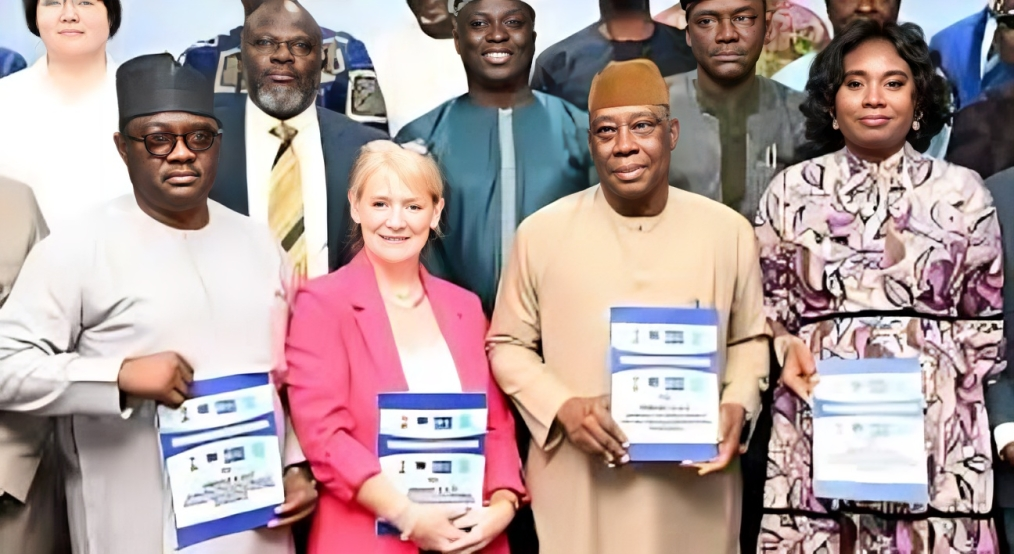
The unveiling, which took place at the Executive Council Chambers of the Governor’s Office in Ibadan on Monday, drew key government dignitaries, representatives of international organisations, civil society groups, and development partners.
The SUSI programme, backed by funding from the European Union (EU) and jointly executed by UNICEF and the International Labour Organisation (ILO), is tailored to enhance Oyo State’s institutional capability in providing inclusive, shock-responsive, and sustainable social protection interventions.
Acting Governor, Barrister Adebayo Lawal, reiterated the state’s unwavering commitment to the project, emphasizing that the intervention would serve as a vital driver in tackling poverty. He disclosed that a comprehensive legal framework was already being designed to guarantee the seamless implementation of the programme.
“We must provide this initiative with a legal foundation so that its operations remain within the scope of the law. At the earliest opportunity, we want the framework drafted, vetted by the Attorney-General, and forwarded to the House of Assembly,” Lawal declared.
He further underscored the importance of establishing a modernised Social Protection Management Information System to link all relevant Ministries, Departments, and Agencies (MDAs), ensuring improved coordination. He appealed to development partners, civil society organisations, and residents of the state to collaborate with the government in driving inclusive progress.
In her address, the Chief of UNICEF Lagos Field Office, Celine Lafoucriere, stressed the urgency of expanding social protection coverage in the state. She revealed that nearly 50 percent of Oyo’s population and over 72 percent of children are classified as multidimensionally poor, while only 11 percent are captured in the existing social registry.
Enjoying this article? Share it with your network!
“With just 2 percent of the state’s population accessing any form of social assistance, there is a pressing need for stronger investment in social protection,” she noted.
Lafoucriere commended the government’s ongoing initiatives such as free basic education, school feeding schemes, and the Oyo State Health Insurance Scheme, while also advocating for deeper reforms to maximize impact. She emphasized that social protection is a necessity rather than a privilege and pledged UNICEF’s continued long-term support.
“Every child in Oyo deserves a safe and protected upbringing. Every family deserves the dignity that comes with access to essential services. UNICEF will remain steadfast in supporting Oyo State to build an inclusive social protection system that benefits everyone,” she affirmed.
The Commissioner for Health, Dr. Oluwaserimi Ajetumobi, alongside the Commissioner for Women Affairs, Mrs. Toyin Balogun, also threw their weight behind the SUSI programme. They highlighted the state government’s commitment through conditional cash transfers to vulnerable populations, expansion of health insurance coverage, and the revitalisation of primary healthcare facilities to strengthen social resilience.
Similarly, the Commissioner for Budget and Economic Planning, Prof. Musibau Babatunde, emphasized that social protection has been integral to Oyo State’s development priorities since 2019. He explained that both the roadmap for accelerated development (2019–2023) and the current sustainable development plan (2023–2027) underscore the government’s consistent pursuit of inclusiveness and poverty alleviation.
With the official rollout of the SUSI initiative, Oyo State is positioning itself as a pioneer in Nigeria’s social protection landscape—creating systems that not only respond to immediate challenges but also lay the groundwork for long-term inclusive and sustainable development.